Click here to learn more about Infinity Space in Dubai.


© 100architects
Clock Intersection
Al Ain | UAE
An intersection reimagined as public space
Clock Intersection redefines a conventional traffic junction in Al Ain as a vibrant urban landscape—where infrastructure, public life, and identity converge.
Official Video | 100A Channel
© Dexter Fernandez
What was once a purely vehicular node is transformed into a multilayered civic environment, integrating pedestrian movement, cycling infrastructure, greenery, and social spaces into a cohesive system. The intervention introduces a new hierarchy of spaces—plazas, pocket parks, and linear corridors—designed to reclaim the intersection as a place for people, not only for cars.

© Rod Candelario
Time as a spatial generator
The project draws its conceptual origin from the clock tower, an iconic landmark of Al Ain and a symbol of collective memory.

© 100architects
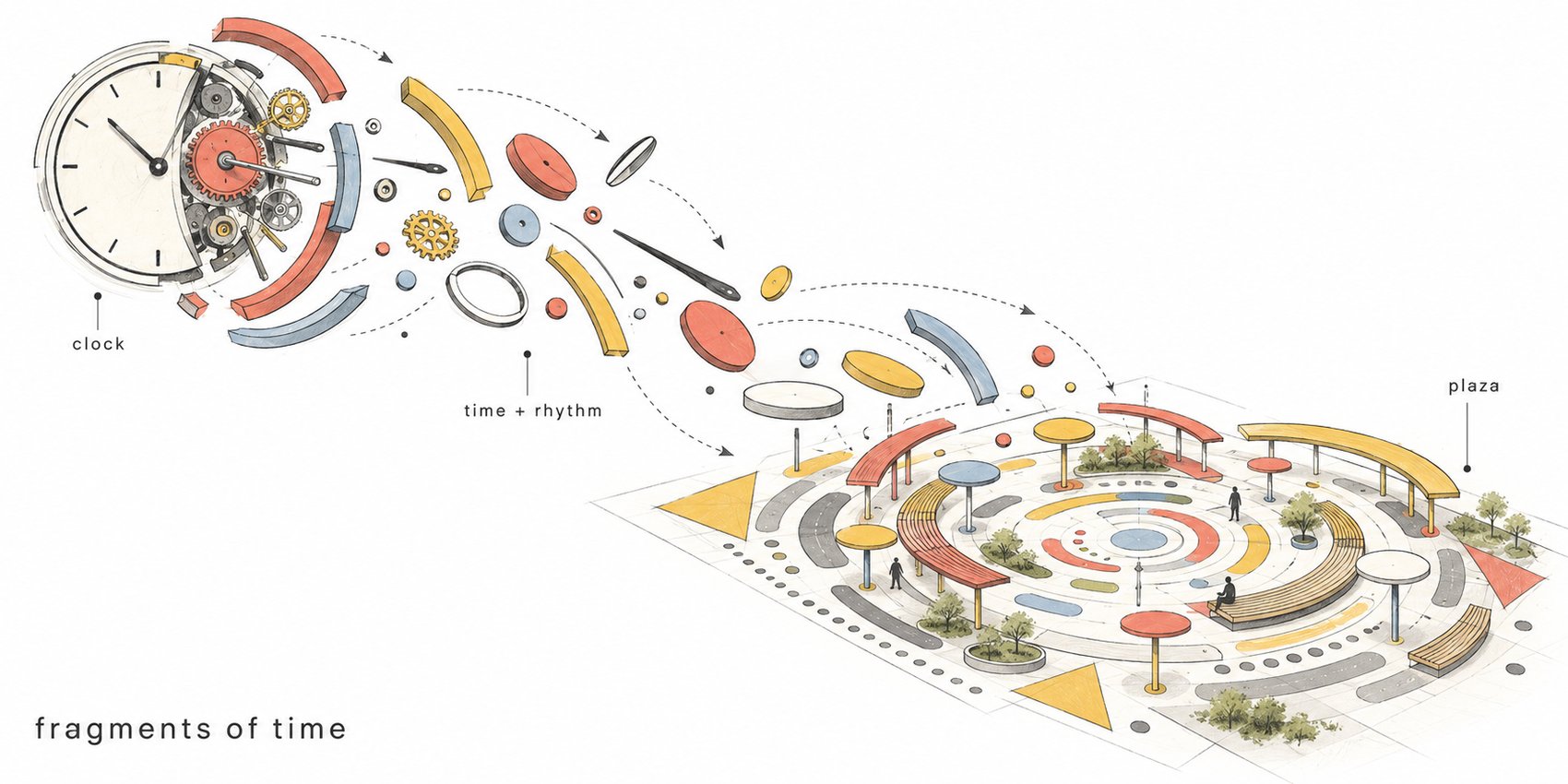
Rather than replicating the clock as an object, the design deconstructs it into fragments—hands, gears, circles, and radial geometries—and reinterprets them as spatial elements distributed across the site. Inspired by abstract compositions and the language of points, lines and planes, these fragments generate a dynamic urban field where each element contributes to a larger narrative of time in motion.
© 100architects
The intersection becomes an “exploded clock”, where time is no longer measured, but experienced through movement, pause, and interaction.
© Rod Candelario
From infrastructure to experience
The design operates through a careful reconfiguration of circulation systems.
Pedestrian and bicycle networks are prioritized and clearly structured, stitching together the four corners of the intersection through continuous, safe and legible paths. These flows are not merely functional—they are experiential trajectories, weaving through plazas, shaded areas and landscaped zones.

© Rod Candelario

© Rod Candelario
Vehicular traffic remains efficient and uninterrupted, yet is spatially rebalanced to coexist with a richer public realm.

© Rod Candelario
A constellation of urban nodes
The intervention is composed of a series of distinct yet interconnected nodes, each responding to its urban condition:

© 100architects
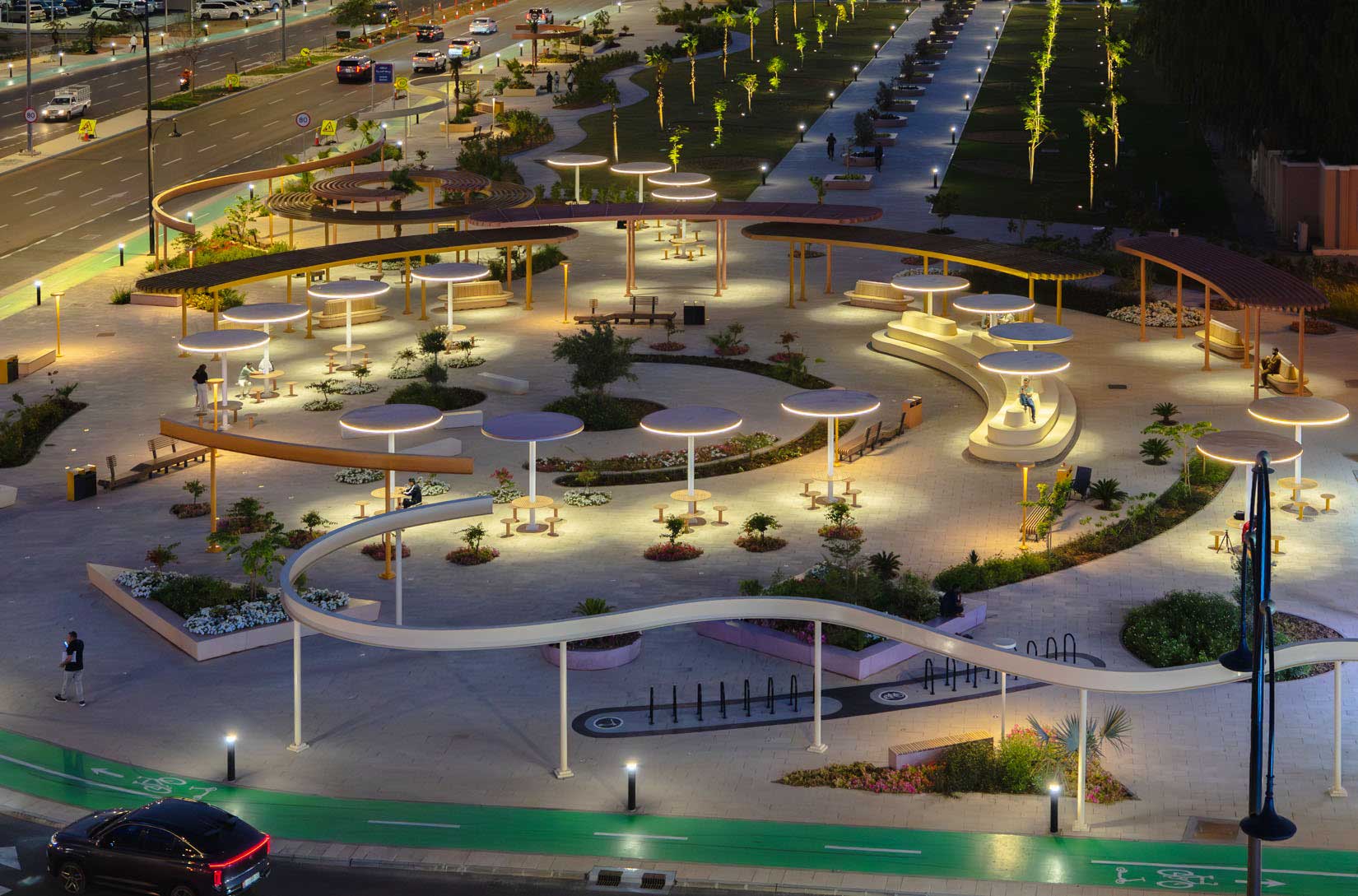
The Clock Plaza acts as the central anchor—an active, circular space where fragmented geometries form an amphitheatre, social seating and shaded gathering areas

© 100architects

© Rod Candelario
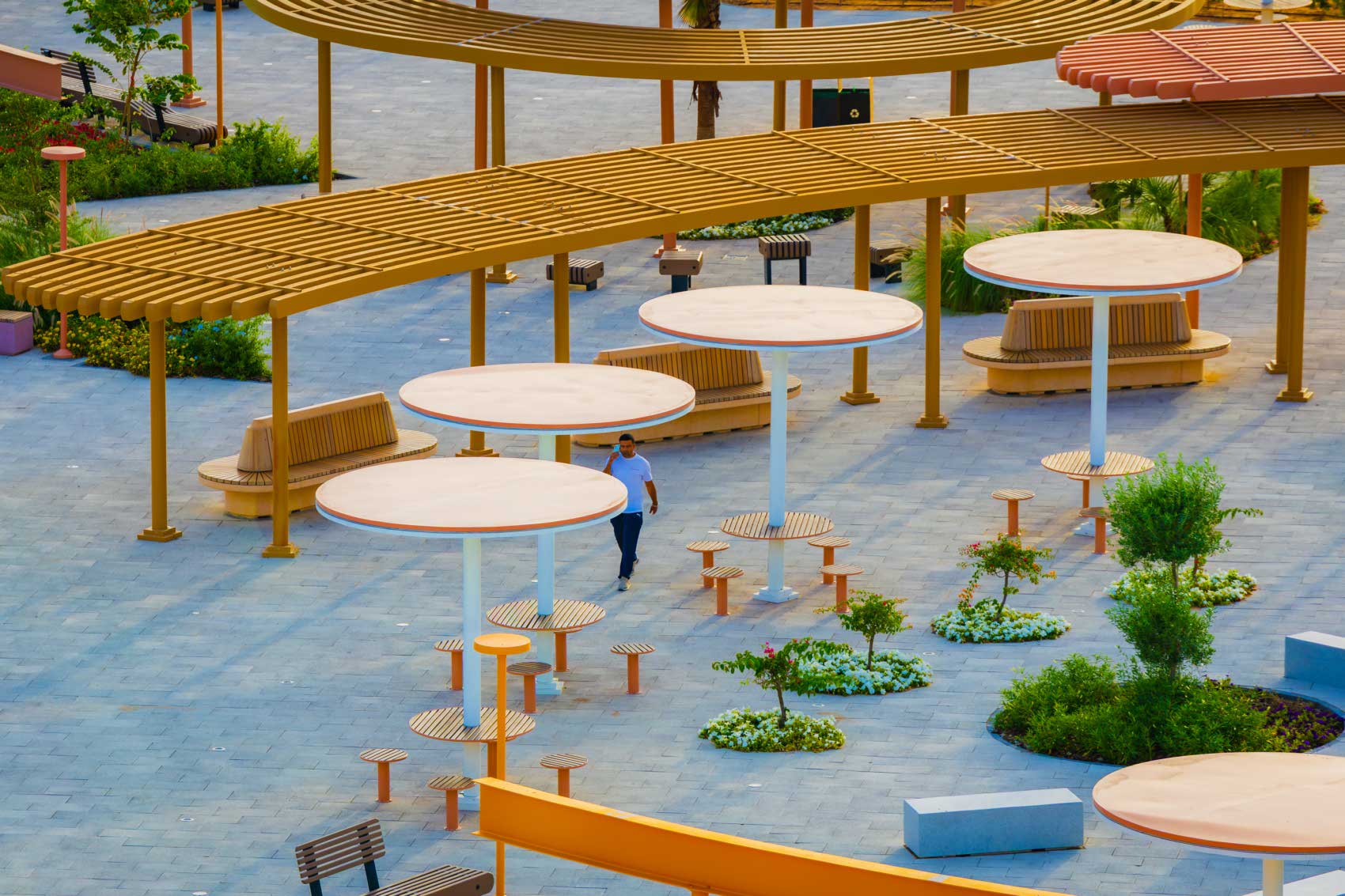
Secondary pocket plazas introduce moments of pause, interaction and informal use along the edges

© Dexter Fernandez
© Rod Candelario
Linear corridors integrate green buffers, bike lanes and pedestrian walkways, ensuring continuity across the entire site
Refuge islands are reimagined as inhabitable micro-landscapes, enhancing both safety and spatial quality
Together, these elements create a distributed public space system, rather than a single centralized intervention.
Geometry in motion
The formal language of the project is defined by flowing lines and fragmented geometries that translate the abstraction of time into physical space.

© Rod Candelario
Curved pathways, circular seating, radial patterns and layered surfaces generate a sense of movement and rhythm throughout the project. These gestures are not purely aesthetic—they organize space, guide circulation, and structure social interaction.

© Rod Candelario
Above the intersection, a set of large-scale arches acts as an urban landmark, reinforcing the identity of the place while framing views and marking the crossing as a symbolic gateway within the city.

© Rod Candelario

© Rod Candelario
Climate-responsive urbanism
In the context of Al Ain’s climate, comfort is a fundamental design driver.
Shaded structures, dense planting, and integrated seating create a network of microclimates that support outdoor use throughout the day. Greenery is strategically deployed not only as an environmental buffer, but as a spatial device that defines edges, guides movement, and enhances the sensory experience.

© 100architects

© Rod Candelario
The project balances openness and protection—creating spaces that are both exposed and sheltered, dynamic and comfortable.

© Rod Candelario
A new model for intersections
Clock Intersection proposes a shift in how urban infrastructure is conceived.

© Rod Candelario
Rather than treating intersections as residual or purely technical spaces, the project positions them as opportunities for civic activation, capable of generating identity, social life and environmental value.

© Rod Candelario

© Rod Candelario
By merging mobility, landscape and public space into a single system, the design establishes a new paradigm for urban nodes in rapidly evolving cities like Al Ain—where even the most functional infrastructures can become meaningful places.

© Rod Candelario

© 100architects
Clock Intersection | Day Video | 100A Channel
Credits
PROJECT NAME: Clock Intersection
CLIENT: Al Ain City Municipality
DESIGN: 100architects
DESIGN TEAM: Marcial Jesús, Javier González, Mónica Páez, Lara Broglio, Keith Gong, Cosima Jiang, Michelle Aldora, Jango Zhang & Yuntong Liu.
ENGINEERING & MEP: AECOM
CONSTRUCTION: Al Fahjan Construction
PHOTOGRAPHY: Alsayegh Media, Al Ain Municipality – PR Department
VIDEOGRAPHY: Alsayegh Media, Al Ain Municipality – PR Department
SIZE: 17,500 m2
STATUS: Built
LOCATION: Al Ain, UAE
More images
© 100architects
What is a metropolitan intervention?
This is the largest scale type of interventions that take place in the public realm of a city, related to the altering of an important portion of a city. A type of intervention of such magnitude and notoriety that impacts not only at neighborhood scale, but rather the way the city is perceived and experienced, becoming a metropolitan landmark, a metropolitan super-attractor of social interactions, and a trendy international destination for local citizens & tourists.
This typology combines urban planning and landscape design, intervening the city at waterfronts, bridges, parks, or whole districts, by improving the quality of its public realm, creating spaces of opportunity for collective outdoor leisure, mixed-use entertainment spaces, play & joy, etc. Interventions of this proportions catalyze major social interactions across the city, boosting commercial activity and real estate development.
This typology is normally used by Municipalities & Local Governments to revitalize public spaces and establish a unique brand and identity for their cities, making them more functional, aesthetically pleasing, and engaging for the community, with innovative urban solutions that enhance the quality of life and promote economic development & tourism.
Projects
insta100

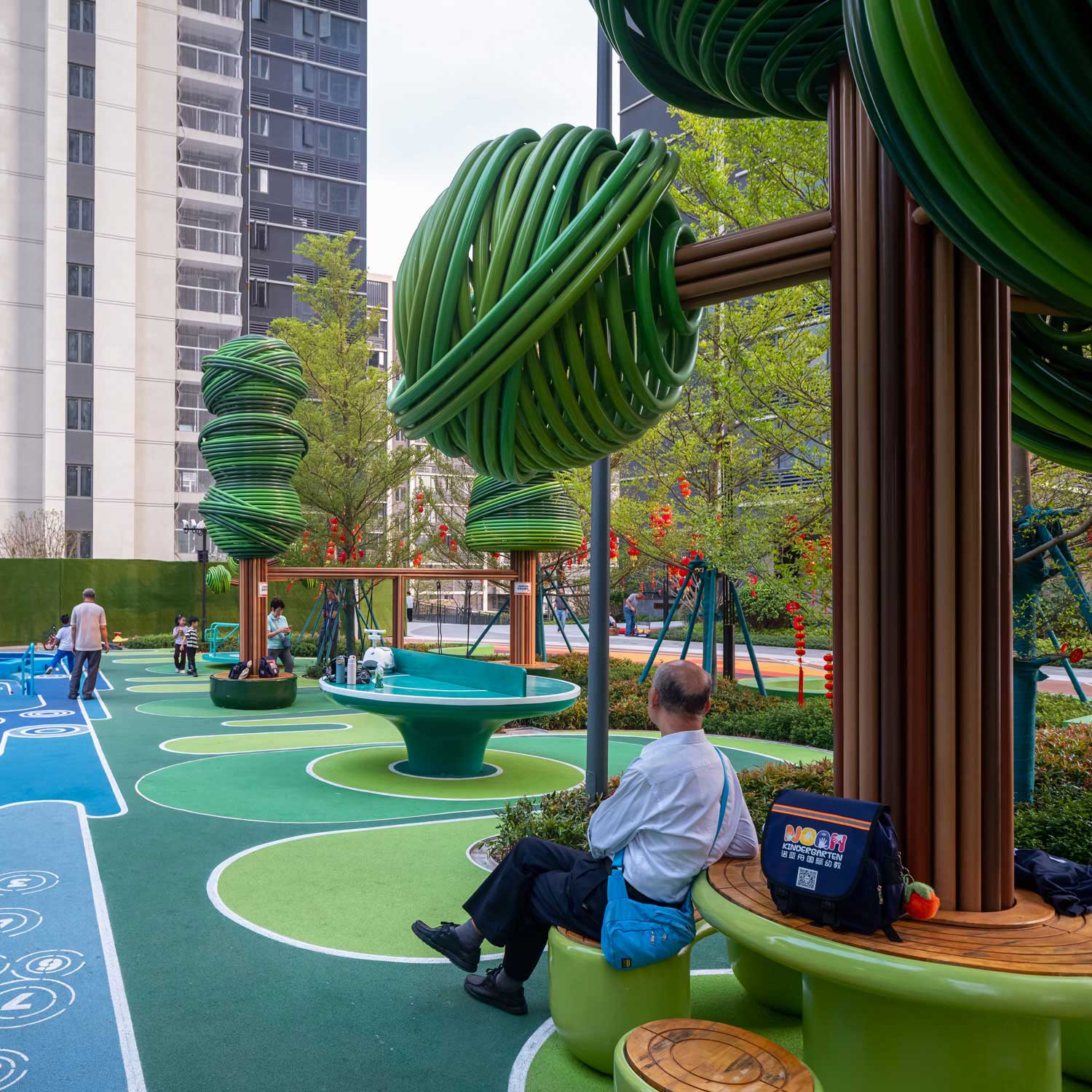
Loved seeing the kids get along!!
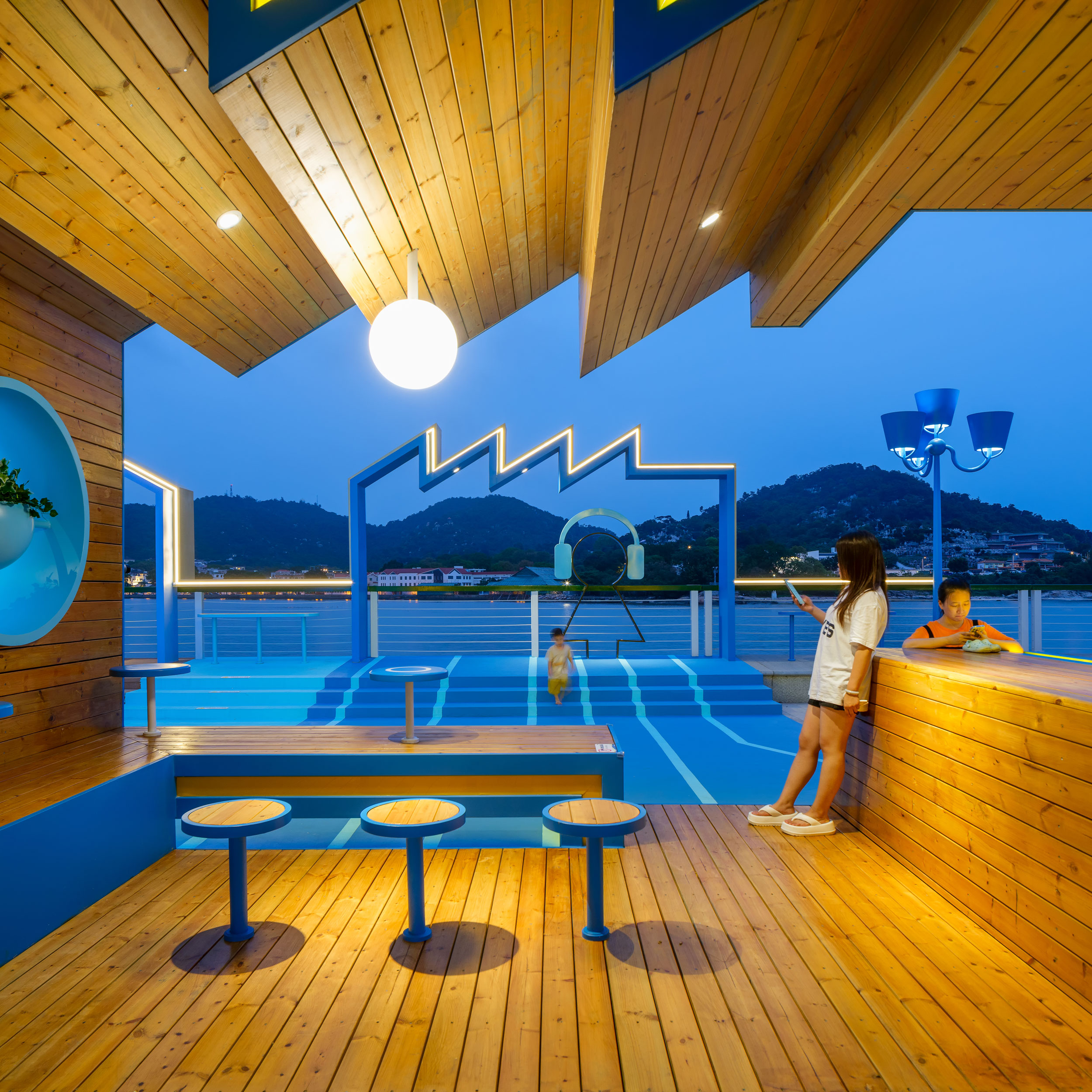
There are places that just stop you in your tracks. This one does exactly that! every view, every moment feels like it’s straight out of a dream.
My favorite place from now on!!!!!!!!
Publications
Wired Scape, designed by 100architects, is a groundbreaking playscape in Guangzhou, China, blending natural landscapes with dynamic, fluid forms. This innovative public space offers a unique play experience for all ages, combining nature, design, and adventure into one captivating destination.

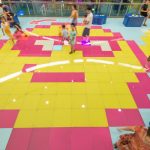
It is an explosion of colors, where vibrant hues blend seamlessly to form four distinct rectangular stripes, each representing a unique activity zone. These stripes create a dynamic flow, inviting users to engage with the space in different ways. The interplay of colors and design transforms the area into an interactive and playful environment.
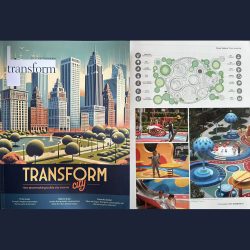
It’s not classical landscape architecture where design focuses on elegant alignment with a space’s existing character, but “injecting identity into places that do not have one,” he says.
Moments & Experiences














 Home

 Projects

 Moments

 Products

 About